43 Days of the Omer. That is 6 Weeks and 1 Day.
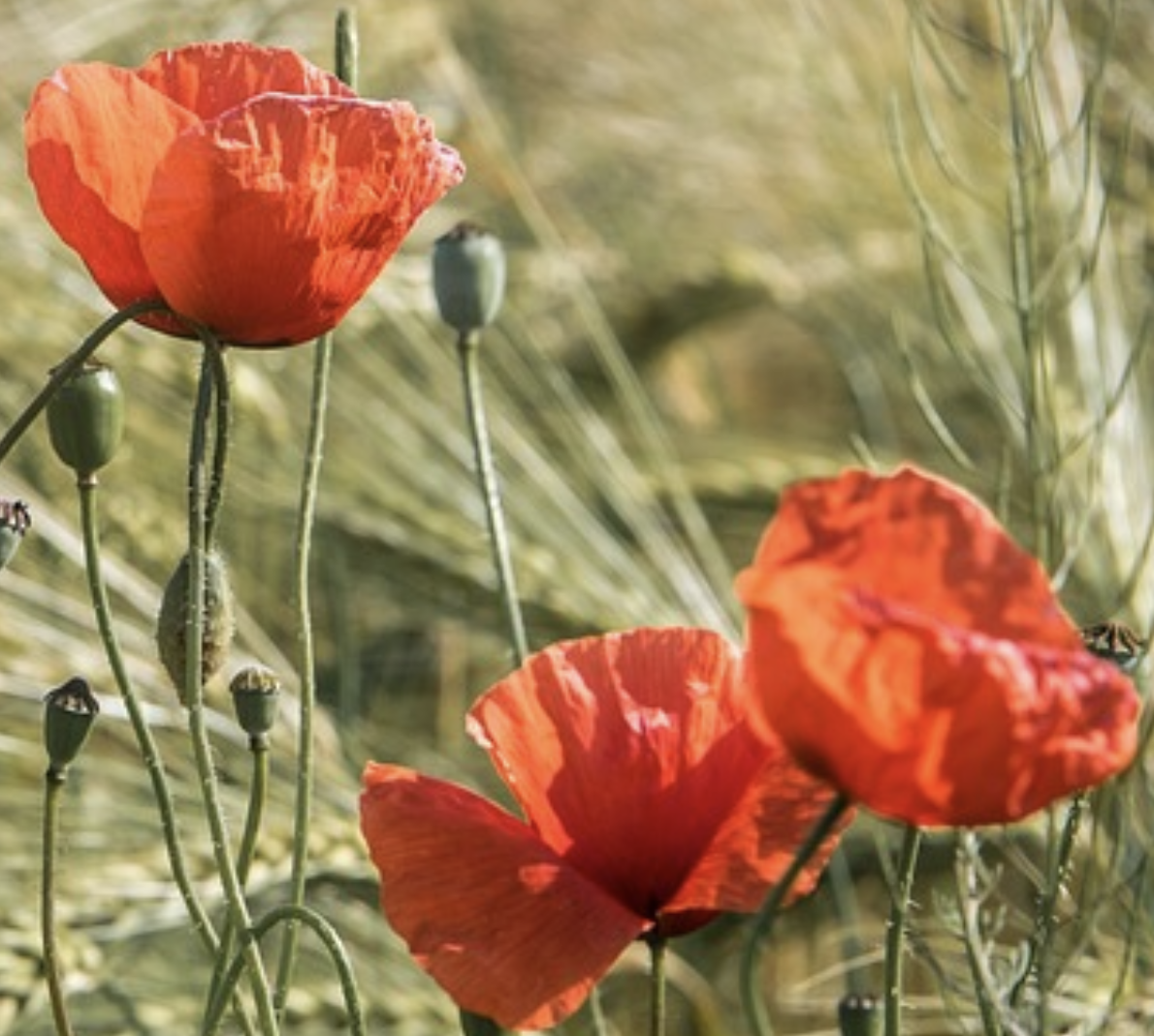
geraldfriedrich2 Pixabay
Chesed shebe Malchut
Lovingkindness within Nobility/Sovereignty
Tuesday evening June 4 and Wednesday June 5
“They say my sister, Orpah, was the one who kissed while I was the one who clung,” says the woman walking next to me. Ruth is very tall, dressed simply, and the setting sun shines on our faces - mine rose-beige next to her honey-amber. “Did you know that our father, King Eglon, was Balak’s son?”
“King Balak? The King who tried to get Balaam the Magician . . .”
“World famous magician,” she smirks.
“World famous magician,” I smile, “to curse the Jewish people?
“The same. My grandfather.”
“So you were not only a Moabite woman, you were a member of the royal family. Nobility.” I turn to look up at her as I consider this new information. “Wow,” I say, not sure what to say, turning back to look at the path we are walking. “You were the child of a king and you gleaned in a field for Naomi.”
“Boaz’s field,” Ruth smiles wistfully, and I wonder what she thought of him when she first saw him. I wonder what she thought of him as she got to know him. I think about how to ask.
“You didn’t know him long before Naomi told you to go to the threshing floor and proposition him,” I prompt.
“No,” she says, “I didn’t. I only knew him through two harvests - the barley and the wheat.”
I wait for her to say more, but she doesn’t.
I say, “I know the situation was . . . what it was . . . but still, I wonder how it felt deciding to marry a man you barely knew.” With Elimelech dead leaving Naomi a widow, Machlon also dead leaving Ruth a widow, Orpah having returned to their mother’s home after Machlon’s brother Chilion also died, and Naomi and Ruth vulnerable . . . The arrangement was logical. With the laws of levirite marriage, marriage to a close relative of the deceased husband, to protect women in positions exactly like this, Ruth’s marriage to a relative of Elimelech’s was socially expected. Still.
“Oh, I knew him,” she says calmly. “I was forty years old, after all, and I’d been married before. Machlon was a good man and we had more than ten years together before he died. I wasn’t new to men or to marriage, and I knew myself. Besides, we understood one another, Boaz and I.”
“What do you mean?” I ask.
For the first time she looks surprised.
“I was sure you knew,” she says. “When Naomi and I returned from Moab, Boaz’s wife had just died. The women who greeted us were coming from her funeral. He’d had children, too. All gone. Neither of us was looking for romantic love, but both were relieved to find the comfort of chesed and companionship.”
I think about that.
Boaz’s attention to Ruth the Moabite, daughter of a king, gleaning in his field, was so practical. His care was generous and without expectation of return. He offered her constancy and protection and food and water. He also knew she was a widow and that she had no children. How many miscarriages had she had? Had she born children who died? Our story doesn’t tell us. I’m not going to ask. I wonder now if they both were the parents of dead children as well as the surviving spouses. I’ve thought about Boaz’s social position giving him the power to continue the transformation of Ruth from ‘one of them’ to ‘one of us’, about Ruth seeing grace in Boaz’s eyes. What I haven’t thought about until today is how when they looked into one another’s eyes they would have also seen their own pain reflected. Understood. Seen.
“I’ve read that before,” I say, “but I’ve never really thought about it.” I’m embarrassed. Boaz always seemed . . . fine . . . when he entered the story. How could he be fine, though? He wasn’t fine, he was just . . . responsible. “How was it that you were in his field?” I ask.
She smiles.“People say it was a coincidence.”
“What do you say?” I ask.
“I don’t.”
“Okay, so don’t say,” I say. “You knew there was a wealthy man, Boaz, whose wife had recently died. You knew he had a field. You knew it was time for the harvest. You knew we had laws about leaving the corners, about leaving the harvest that had fallen, for gleaners. Yes?”
“Yes,” she nods. “People talk. I also knew the men who worked for this particular wealthy man were well-paid and well treated. I had heard the workers treated one another with kindness, too.”
“Mmm, hmmmm,” I encourage her to continue talking. She sighs.
“I didn’t know then that Boaz was the kind of person to go looking for people who need compassion and help, but I knew enough. I knew the people of the community adored him and respected him. I knew that every person I overheard talking about him commented on his fairness, his kindness, and his good judgment. In a position like mine, only a fool wouldn’t go looking for someone like that.”
“So you found each other,” I say.
“You know,” she says softly, “our great grandson built a kingdom of stone and power. His son built a Temple. People tell my story as if King David is the legacy of Ruth and Boaz.”
“It’s not?” I ask.
Ruth raises an eyebrow and says, “I left that kind of kingdom behind. Kingdoms of stone and power rise and fall.”
“Our tradition also says the messiah will come from David . . . which is also from you and Boaz,” I say.
“Ben David and also ben Joseph,” she nods. “Our tradition also says there may be no embodied moshiach and instead an era of peace and prosperity.”
A new thought occurs to me.
“If there is a messiah, their soul will also be with us at Sinai, won’t they?” I ask.
“So it would seem,” she agrees.
“What is the legacy of Ruth and Boaz?” I ask. “If not King David?”
I don’t think she hears me. Her steps have quickened and as she approaches the back of a man about her height who has crossed in front of us she reaches out her arm and rests her hand on his shoulder. When the man stops and turns I see his green and brown eyes light up. They embrace, holding one another close.
The throng moves like a river around them.
See you at Sinai.
How to say the blessing:
Choose the language that resonates with you the most.
Non-gendered Hebrew based on grammar system built by Lior Gross and Eyal Rivlin,
available at www.nonbinaryhebrew.com
Gender Expansive:
הִנְנִי מוּכָנֶה וּמְזֻמֶּנֶה …
Hineni muchaneh um’zumeneh …
Here I am, ready and prepared …
Feminine:
הִנְנִי מוּכָנָה וּמְזֻמֶּנֶת …
Hineni muchanah um’zumenet …
Here I am, ready and prepared …
Masculine:
הִנְנִי מוּכָן וּמְזֻמַן …
Hineni muchan um’zuman …
Here I am, ready and prepared …
All Continue:
… לְקַיֵּם מִצְוַת עֲשֵׂה שֶׁל סְפִירַת הָעֹמֶר כְּמוֹ שֶׁכָּתוּב בַּתּוֹרָה וּסְפַרְתֶּם לָכֶם מִמָּחֳרַת הַשַּׁבָּת
מִיּוֹם הַבִיאֳכֶם אֶת עֹמֶר הַתְּנוּפָה שֶׁבַע שַׁבָּתוֹת תְּמִימוֹת תִּהְיֶנָה. עַד מִמָּחֳרַת הַשַּׁבָּת
הַשְּׁבִיעִית תִּסְפְּרוּ חֲמִשִּׁים יוֹם וְהִקְרַבְתֶם מִנְחָה חֲדָשָה לַיי
… lekayyem mitzvat aseh shel sefirat ha-omer, kemo shekatuv batorah: us’fartem lakhem mimacharat hashabbat, miyom havi’akhem et omer hat’nufah, sheva shabbatot temimot tih’yena, ad mimacharat hashabbat hash’vi’it tis’peru khamishim yom, vehikravtem minkha khadasha l’adonai.
… to fulfill the mitzvah of counting the Omer, as it is written in the Torah: And you shall count for yourselves from the day after the Shabbat, from the day on which you bring the sheaf of the wave-offering, you shall count seven full weeks. Until the day after the seventh Shabbat, you shall count fifty days, until you bring a new gift to the Eternal.
Gender-Expansive Language for God
בְּרוּכֶה אַתֶּה יי אֱ-לֹהֵינוּ חֵי הָעוֹלָמִים אֲשֶׁר קִדְּשֶׁנוּ בְּמִצַוְּתֶהּ וְצִוֶּנוּ עַל סְפִירַת הָעֹמֶר
Brucheh ateh Adonai, Eloheinu khei ha’olamim, asher kidshenu bemitzvoteh v’tzivenu al sefirat ha’omer.
Blessed are You, Eternal, Life of all worlds who has made us holy with Their commandments, and commanded us to count the Omer.
Feminine Language for God
בְּרוּכָה אַתְּ יָ-הּ אֱ-לֹהֵינוּ רוּחַ הָעוֹלָם אֲשֶׁר קִדְּשָׁנוּ בְּמִצְוְּתָהּ וְצִוָּנוּ עַל סְפִירַת הָעֹמֶר
Bruchah at Yah, ru’akh ha’olam asher kidshanu bemitzvotah v’tzivanu al sefirat ha’omer
Blessed are You, Yah, our God, Spirit of the universe who has made us holy with Her commandments, and commanded us to count the Omer.
Masculine Language for God
בָּרוּךְ אַתָּה יי אֱ-לֹהֵינוּ מֶלֶךְ הָעוֹלָם אֲשֶׁר קִדְּשָׁנוּ בְּמִצְוֹתָיו וְצִוָּנוּ עַל סְפִירַת הָעֹמֶר
Baruch atah Adonai, Eloheinu melekh ha’olam asher kidshanu bemitzvotav v’tzivanu al sefirat ha’omer.
Blessed are You, Lord, our God, ruler of the universe who has made us holy with His commandments, and commanded us to count the Omer.
Count the day and week
Today is the _________ day, which is _________ weeks and _________ days of the Omer.
Today:
הַיּוֹם שְׁלוֹשָׁה וְאַרְבָּעִים יוֹם
שֶׁהֵם שִׁשָּׁה שָׁבוּעוֹת
וְיוֹם אֶחָד לָעוֹמֶר.
Hayom shloshah v’arba’im yom
shehem shishah shavuot v’yom
echad la’omer
Today is forty-three days.
That is six weeks and one day of the Omer.
Sefirat HaOmer Blessing
https://www.youtube.com/watch?v=S8hCiPI1tMQ